Wednesday, 18 January 2023


                   Eat a Heart Healthy Diet
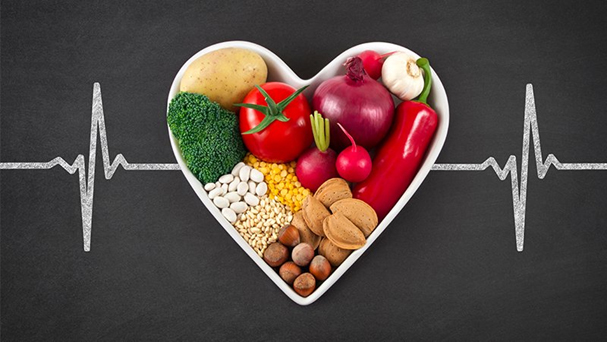

1. Eat a variety of fruits and vegetables

Fruits and vegetables are a great source of vitamins, minerals, and fiber. They also contain antioxidants that help reduce the buildup up of plaque in your arteries from cholesterol. When choosing fruits and vegetables, make sure to buy fresh, frozen, or canned with no salt added, and canned fruit packed in juice or water instead of syrup or sugar. Including a of variety of fruits and vegetables, especially dark leafy greens and red, orange, and yellow fruits and vegetables, is a good way to get more nutrients. Keeping fruit and veggies cut and washed in your fridge can make it easier to choose to eat them.

2. Choose whole grains

Whole grains are a good source of fiber and other nutrients that help regulate blood pressure and keep your heart healthy. Choose products labeled “whole grain” instead of products made from white flour, aka refined grains, in order to get the health benefits from whole grains. Some examples of delicious and inexpensive whole grains are oatmeal, popcorn, and brown rice.

3. Choose heart healthy fats

Generally, unsaturated fats are considered to be more heart healthy than saturated fats. Saturated fats are those that tend to be solid at room temperature; think fat that you trim off of meat, fats found in dairy products, butter, and tropical oils like coconut or palm oil. Limiting saturated fat in your diet is important in managing cholesterol levels which will lower your risk of coronary artery disease. Replace saturated fats with unsaturated fats, which tend to be liquid at room temperature; think olive oil, avocado oil, and canola oil. You can limit saturated fat by choosing lean meats, meat alternatives like beans or soy-based products, non-fat and low-fat dairy products, and polyunsaturated or monounsaturated fats in things like olive oil instead of products high in saturated fat like butter. Nuts and seeds are also sources of nutritious, heart healthy fats.

4. Reduce the amount of sodium (salt) you consume

Limiting the amount of salt in your diet is important to overall health. The Dietary Guidelines for Americans recommend limiting sodium intake to no more than 2,300 milligrams per day. This can help lower blood pressure which lessens your risk of heart disease. Some ways to reduce sodium intake include buying fresh, frozen, or canned veggies with no salt added, choosing packaged foods labeled with “low sodium” or “no salt added,” reading food labels and choosing the option with the lowest amount of sodium, and choosing prepared meals with 600 mg of sodium or less per meal.

5. Limit added sugar

Added sugar contributes added calories, but without essential nutrients like potassium, calcium, or vitamin D. The American Heart Association recommends no more than 6% of total calories coming from added sugars. This is around 25 grams a day for women and 36 grams for men. Naturally occurring sugars, like those found in fruits or dairy products, shouldn’t be counted towards this daily total.

6. Stay hydrated with water

Water is critical to heart health because by keeping your body hydrated it helps your heart more easily pump blood throughout the body. Choosing to drink water over other drinks is also a good way to reduce added sugar intake.

7. Get regular daily physical activity

Getting regular physical activity can help lower blood pressure, reduce stress, improve sleep, and reduce your risk of heart attack. Check out the American Heart Association’s recommendations on physical activity for more information.


International Research Awards on Cardiology and Cardiovascular Medicine
More visit: https://cardiology-conferences.pencis.com/
Online Nomination: https://x-i.me/ccmshar21

#Atrium
#Electrocardiography
#Cardiology
#Cardiovascular
#cardiac
#Atrioventricular

#Medicine

#Heart

#Healthy

#Heartsurgery

#Hypertension

Monday, 9 January 2023


The physician makes a small hole through the wall between the two upper chambers of the heart so that the catheter reaches the left atrium. The physician then pushes the device through the delivery catheter into the left atrial appendage, where it opens up like an umbrella and is permanently implanted.

Blood clots around the device. Fluid buildup in the membrane surrounding the heart (pericardial effusion) Strokes.

The lower left heart chamber is called the left ventricle. The left ventricle is the heart's main pumping chamber. During left ventricular hypertrophy, the thickened heart wall can become stiff. Blood pressure in the heart increases. The changes make it harder for the heart to effectively pump blood.

International Conference on Cardiology and Cardiovascular Medicine


Website: https://cardiology-conferences.pencis.com/


#Hypertrophy

#cardiology

#Cardiovascular

#coronaryarterydisease

#Pacemaker

#arterial

#cardiovascular

#Cardio

#heartsurgery


Tuesday, 3 January 2023


                       prevent cardiovascular diseases


 Cardiovascular diseases are conditions that affect the function of the heart and blood vessels. Different types of heart diseases include heart attack, heart failure, heart infection, heart valve disease, etc. The cause of heart disease depends on its specific type. But, the risk factors associated with different types of cardiovascular diseases are common. Some of the risk factors cannot be controlled whereas some of them can be controlled. Learning about them can help to prevent cardiovascular diseases.

 prevent cardiovascular diseases

  • Age
  • Race
  • Family history

Examples of the risk factors that we can control to prevent cardiovascular diseases

  • High blood sugar
  • High levels of cholesterol
  • Being overweight or obesity
  • Unhealthy diet
  • Physical inactivity
  • Smoking
  • Alcohol Consumption
  • Stress
Prevent Cardiovascular Diseases


Get regular health screenings to control high blood sugar, blood pressure, and cholesterol so that the risk of getting heart diseases can be reduced.

Get enough quality sleep:

Adults should get 7 to 9 hours of sleep per night to avoid getting high blood pressure, obesity, diabetes, and depression.

Reduce stress:

Some people under stress have a habit of overeating, heavy drinking, and smoking which increases blood pressure and the risk of a heart attack.

Stop smoking:

Smoking increases blood pressure and the risk for heart attack and stroke. Hence, avoid smoking.

Limit the consumption of alcohol:

Drinking alcohol raises blood pressure and adds extra calories to the body. This causes weight gain and increases the risk of heart disease.

Maintain a healthy weight:

Excess weight or obesity can increase blood sugar, blood pressure, high cholesterol. We should maintain our weight to lower these risks.

Regular exercise:

A systematic workout helps to maintain a healthy weight and reduces the chance of getting high cholesterol, blood sugar, and blood pressure.

Eat a healthy diet:

Include vegetables, fruits, beans, fish, fat-free dairy foods, whole grains, and healthy fats in your diet to prevent cardiovascular diseases.

International Research Awards on Cardiology and Cardiovascular Medicine
More visit: https://cardiology-conferences.pencis.com/awards/
Online Nomination: https://x-i.me/ccmshar21
#Atrium
#Electrocardiography
#Cardiology
#Cardiovascular
#cardiac
#Atrioventricular


Tuesday, 27 December 2022


Transplant Cardiology


 News: Transplant Cardiology


Heart Failure and Transplant Cardiology represents advanced training in cardiovascular disease and focuses on management of advanced or complicated heart failure beyond the scope of what is usually provided by general internists and general cardiologists.

Orthotopic and Heterotopic Heart Transplantation
Orthotopic and heterotopic transplantation are the two types of heart transplant procedures. The more common orthotopic procedure involves a median sternotomy with removal of the recipient's heart and the insertion of the donor heart in the normal anatomic position.

International Research Awards on Cardiology and Cardiovascular Medicine
More visit: https://cardiology-conferences.pencis.com/awards/
Online Nomination: https://x-i.me/ccmshar21
#Atrium
#Electrocardiography
#Cardiology
#Cardiovascular
#cardiac
#Atrioventricular

Thursday, 8 December 2022


News: Bacterial infections cause of death after heart disease


Bacterial endocarditis is an infection of the heart's inner lining or heart valves. It's a serious condition that needs to be treated right away. Endocarditis can cause serious complications. It can also lead to death.

These are heart infections are: Endocarditis, infection of the lining of your heart valves (also called bacterial endocarditis or infective endocarditis). Myocarditis, inflammation of your heart muscle. Pericarditis, inflammation of the sac covering your heart's outer surface.


International Conference on Cardiology and Cardiovascular Medicine


Website: https://cardiology-conferences.pencis.com/


#Hypertrophy

#cardiology

#Cardiovascular

#coronaryarterydisease

#Pacemaker

#arterial

#cardiovascular

#Cardio

#heartsurgery


Tuesday, 6 December 2022


COVID-19 is predominantly a respiratory disease, the clinical outcomes of severe SARS-CoV-2 infections have been seen to affect multiple organ systems. Endothelial dysfunction, micro thrombosis, and hypercoagulation associated with myocarditis-like presentations of impaired cardiac function have been observed in 20% to 30% of hospitalized COVID-19 cases. Furthermore, vascular remodeling and microthrombi formation are associated with increased cardiac serum markers, severe disease, and mortality.

Despite the rising number of COVID-19 cases with clinical outcomes involving cardiac complications, the mechanisms of cardiac pathology and heart injury during severe SARS-CoV-2 infections remain unclear. Current hypotheses include myocardial and vascular wall damage due to cytokine storm, which is the increased release of proinflammatory cytokines such as interleukins (IL) 1 and 6, tumor necrosis factor-alpha (TNF-α), and interferon-gamma (IFN-γ), and the presence of SARS-CoV-2 viral particles in cardiomyocytes and cardiac macrophages.

International Research Awards on Cardiology and Cardiovascular Medicine

Website: https://cardiology-conferences.pencis.com/awards/


#Coaonary artery 

#Hypertension 

#bloodpressure

#cardio

#cardiology

#Cardiovascular

#Atrial fibirllation

#Pacemaker

#Heartfailure

#Myocardial


Behnaz Eftekhari | Innovative Research Award | #cardiac #cardiology #cardiacrehab

 Behnaz Eftekhari is presented in this recognition profile in connection with research activity spanning biomaterials, tissue engineering, r...